 An official website of the United States government


 ) or https:// means you've safely connected to the .mil website. Share sensitive information only on official, secure websites.

Consumer Involvement
Michael Robinson, M.D.
Healey Platform Trial Patient Advisor and ALSRP Programmatic Panel Member
The views, opinions, and/or findings contained in this paper are those of the author(s) and should not be construed as an official Department of Defense position, policy or decision
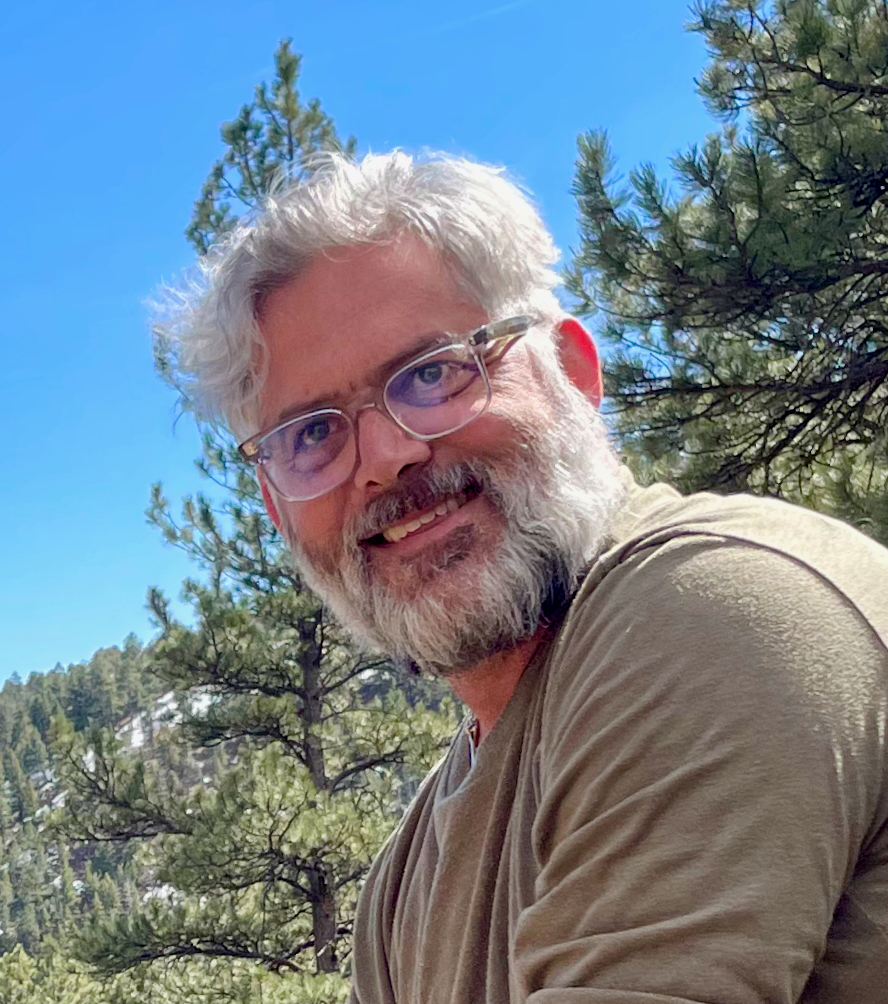 Michael Robinson, M.D.
Dr. Michael Robinson is a husband, father, physician, researcher, former pharmaceutical executive, and a person living with Amyotrophic Lateral Sclerosis. Robinson earned his medical degree from Queen's University in 1994 and specialized in Adult and Child/Adolescent Psychiatry, and Psychosomatic Medicine. He practiced in the U.S. and Canada. He said that he joined the pharmaceutical industry in 2004 and spent 15 years working in clinical drug development and medical affairs
During his career in the pharmaceutical industry, he said that he helped to develop and launch many drugs across a range of therapeutic areas. According to Robinson, he published 28 papers, two book chapters and gave numerous presentations around the world.
Currently, Robinson serves as a consumer panel member for the Congressionally Directed Medical Research Programs Amyotrophic Lateral Sclerosis Research Program.
"The ALSRP plays an absolutely critical role in raising the importance of biomarkers and plays a critical role in de-risking mechanism questions," Robinson said.
Robinson also said that he felt including patients in therapeutic development and clinical trial design can assist with creating a "focus on key secondary outcomes measures" with the added, deeper understanding of the patient experience.
His path to the ALSRP started in August 2015, according to Robinson. He said that one morning, he could not move his right leg quickly and felt like he was about to trip.
"At that moment, I called my wife and said, 'I think I have ALS' and that's where my journey with this illness began," Robinson said.
Since his diagnosis, he said that he remains focused on the goal of confronting the disease head on and pushing for better treatment options for the community.
As a member of several ALS organizations and now as an ALSRP programmatic panel member, Robinson saw the impact on biomedical research, the ALS community, and moving the therapeutic needle towards a cure from patients and their caregivers. Robinson said he is interested in clinical trial design, ALS outcomes, and the brain communication interface.
According to Robinson, a helpful practice for patients with ALS and their families is for health care practitioners and drug manufacturers to deeply understand the steps taken throughout their process of seeking, receiving, and continuing care as part of "patient journey mapping."
"This level of understanding could allow all stakeholders to find the moments that matter in the ALS illness journey and use them to improve the patient's experiences, outcomes, and overall quality of life," Robinson said.
For more information on the ALSRP and available funding opportunities, visit our website at https://cdmrp.health.mil/funding/alsrp.
Last updated Wednesday, July 29, 2026